Our Heritage Story
The elm bark basket tradition once thrived in quiet woodland clearings, passed hand to hand across generations. Today, that same reverence for patient craft guides every workshop, every harvest, and every stitch shared through this community.
Guiding Beliefs of the Craft
Our Commitments
Ethical Harvesting
Environmental Stewardship
The community actively reduces waste, favors local sourcing, and educates members on sustainable forest practices that protect habitat and biodiversity.
Inclusive Learning
Instruction is offered without prerequisite, welcoming absolute beginners alongside experienced makers in a supportive, judgment-free environment.
Living Tradition
Knowledge is treated as a shared inheritance to be passed forward, not hoarded, ensuring elm bark basketry remains vibrant and accessible for decades to come.
Meet the Craft Leaders
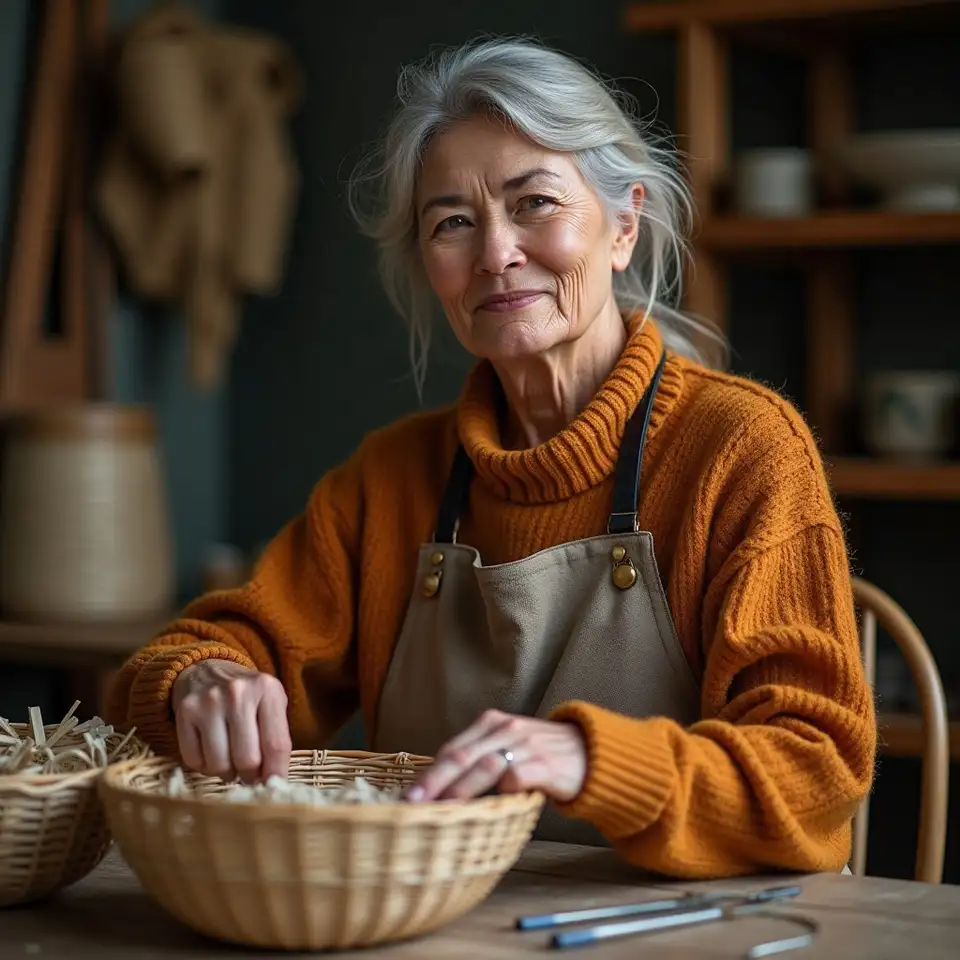
Margaret Holloway
Lead Basket Instructor
Margaret first learned elm bark techniques from her grandmother in rural Vermont and has spent two decades refining and teaching these methods across Australia.
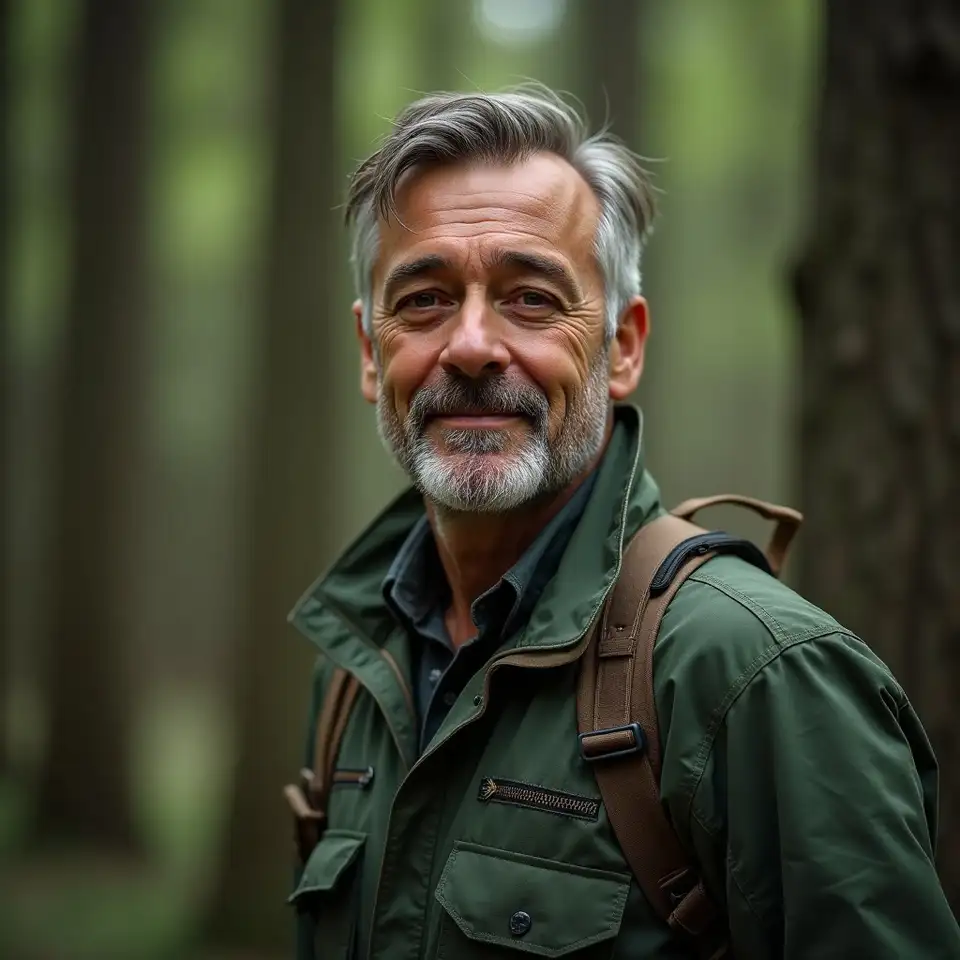
James Whitfield
Forest Stewardship Advisor
James brings deep knowledge of Australian woodland ecology, guiding ethical bark collection practices that respect both tree health and native forest habitats.

Aisha Brennan
Community Program Coordinator
Aisha designs inclusive learning experiences that welcome newcomers from diverse backgrounds, ensuring the craft remains accessible and culturally respectful.
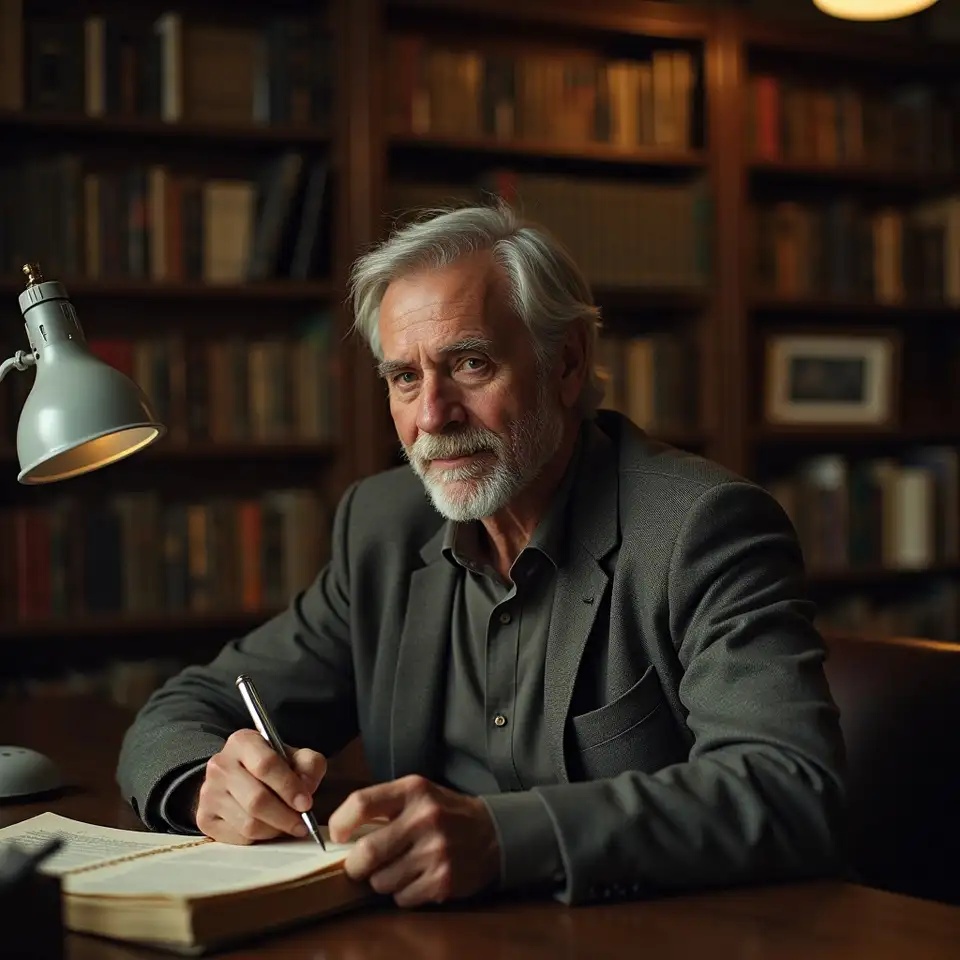
Thomas Reed
Heritage Documentation Specialist
Thomas records oral histories and traditional techniques, building an archive that preserves the craft's lineage for researchers and future makers alike.